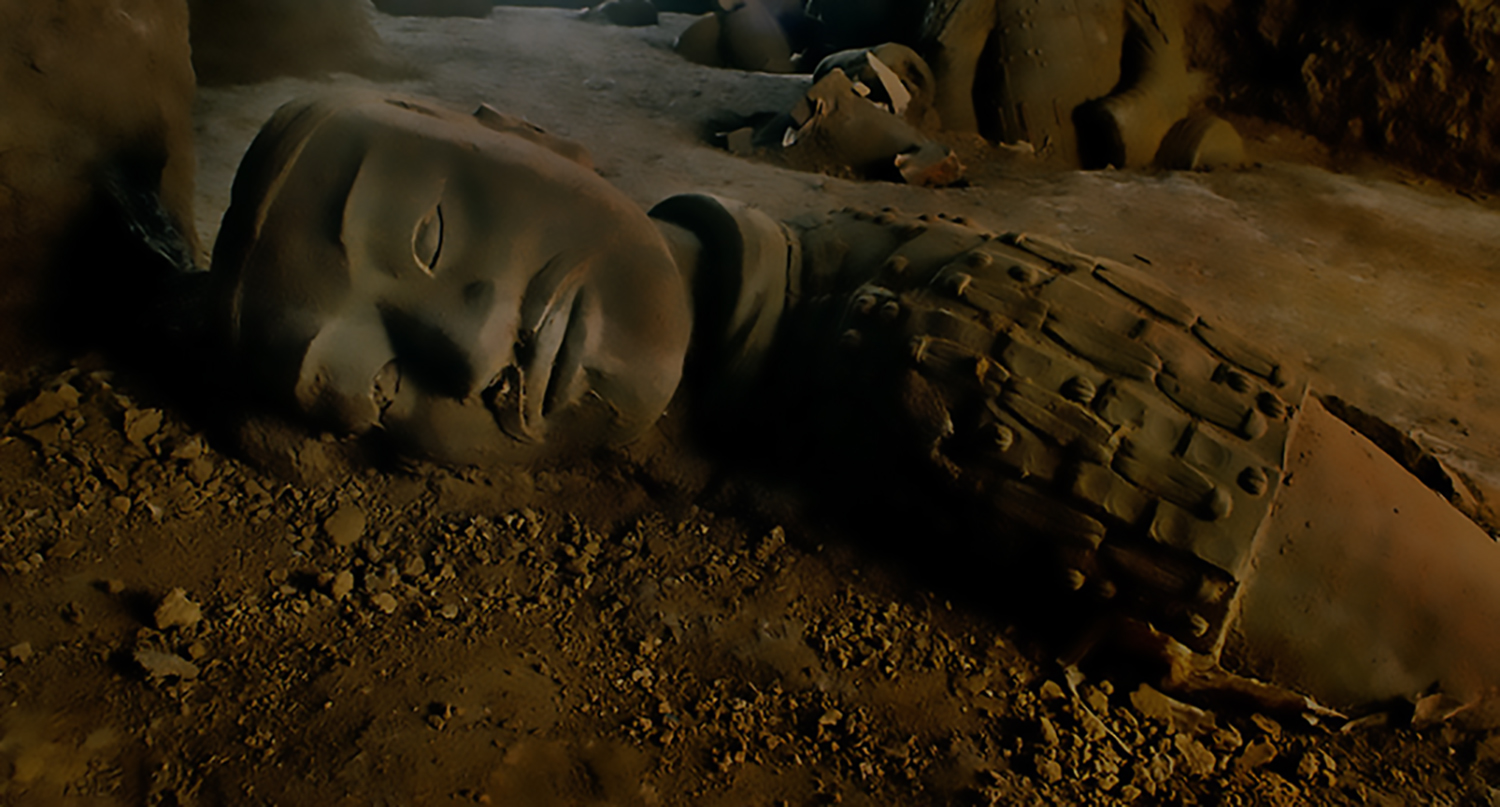
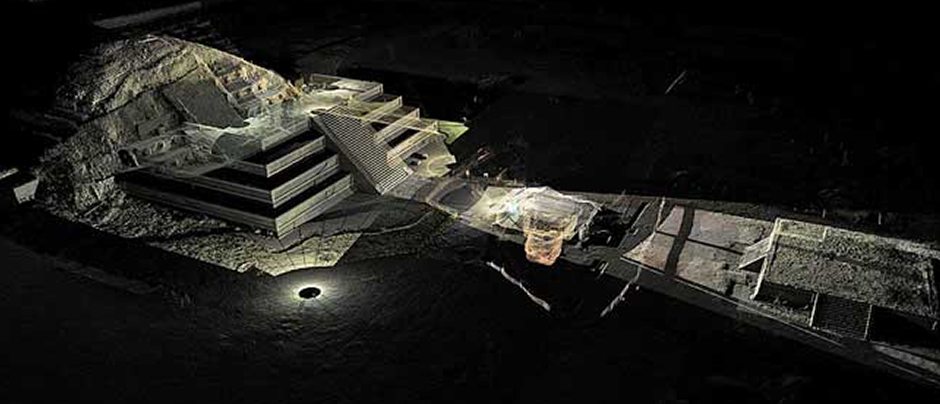
Buried deep under a hill in central China, surrounded by an underground moat of poisonous mercury, lies an entombed emperor who’s been undisturbed for more than two millennia.The tomb holds the secrets of China’s first emperor, Qin Shi Huang, who died on Sept. 10, 210 B.C., after conquering six warring states to create the first unified nation of China.
The answers to a number of historical mysteries may lie buried inside that tomb, but whether modern people will ever see inside this mausoleum depends not just on the Chinese government, but on science.“The big hill, where the emperor is buried — nobody’s been in there,” said archaeologist Kristin Romey, curatorial consultant for the Terracotta Warrior exhibition at New York City’s Discovery Times Square.
Qin Shi Huang (pronounced “chin shuh hwang”) was born in 259 B.C., first son to the king of Qin, one of six independent kingdoms inside modern China. These kingdoms had been warring for more than 200 years, but through a combination of military strength, strategy and natural disasters, Qin Shi Huang conquered them all, proclaiming himself not just a king, but also an emperor — the first of China.
Learn More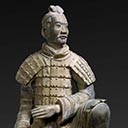
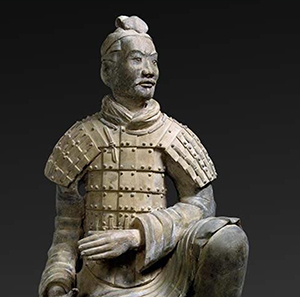
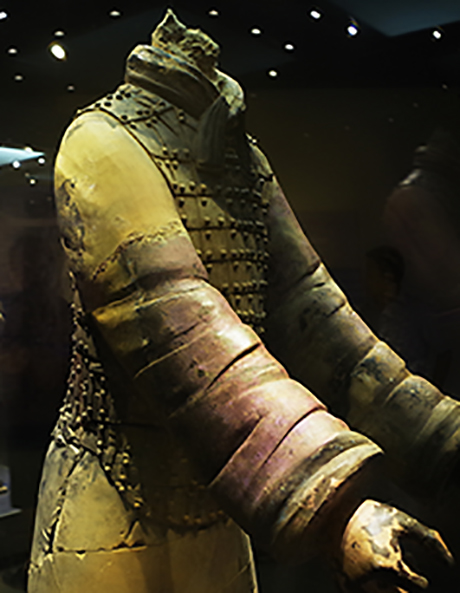
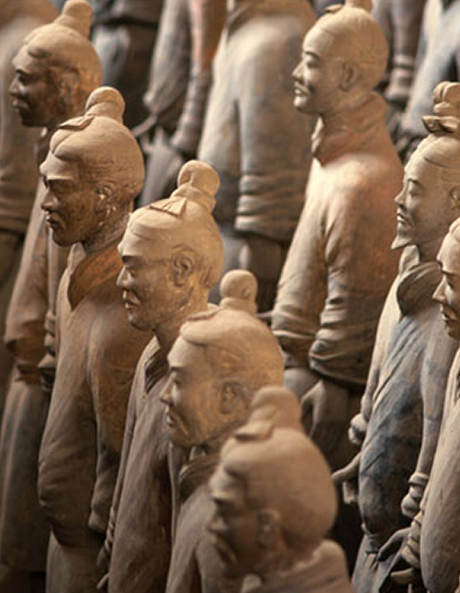
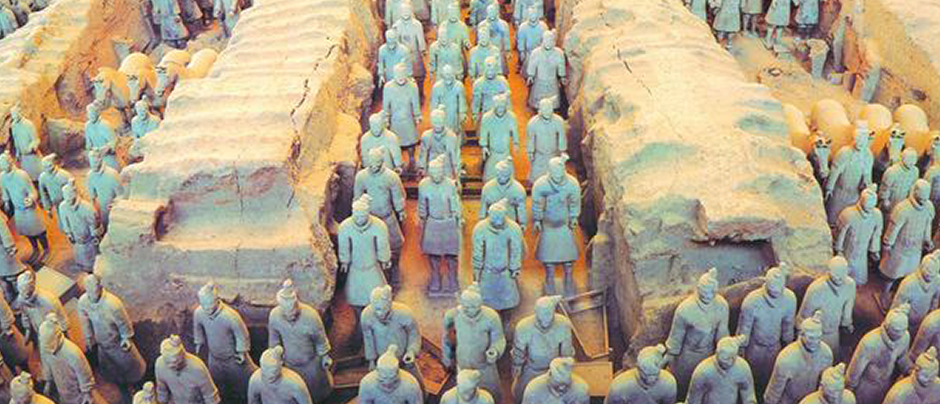
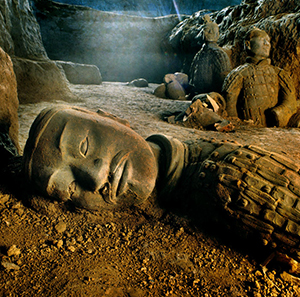
Platoons of clay soldiers were buried with China’s first emperor, Qin Shi Huang Di, to accompany him during his eternal rest.
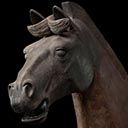
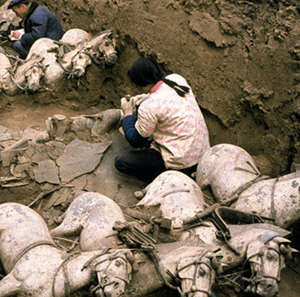
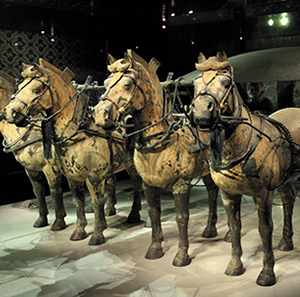
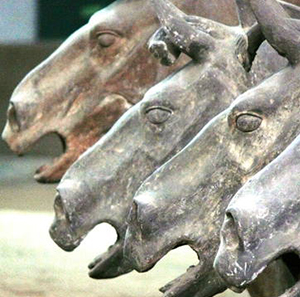
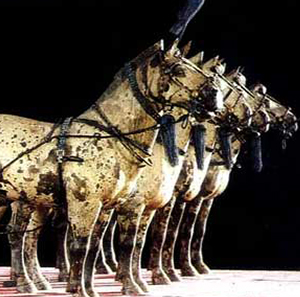
In some of the corridors, clay horses are aligned four abreast; behind them are wooden chariots.
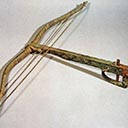
The Army’s weapons has revealed that the craftsmen responsible for them followed a sophisticated labour model now associated with Toyota.

Bronze Chariot in the Mausoleum is the general designation of two large-sized color painted bronze chariot unearthed in 1980.
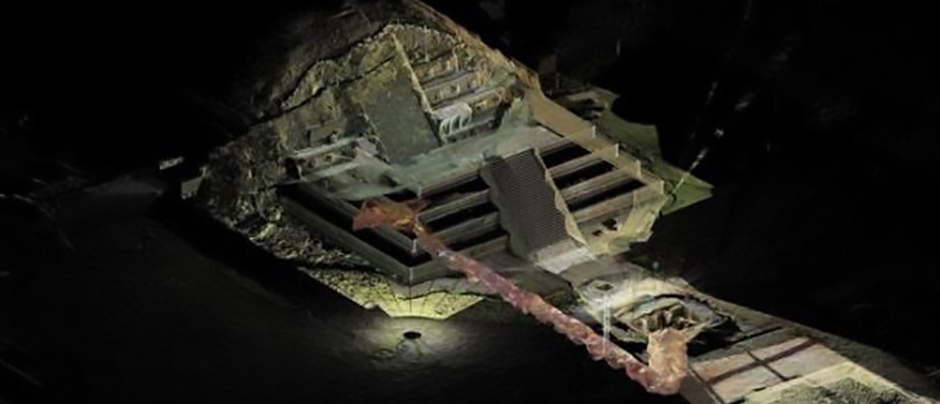
Ancient writings say the emperor created an entire underground kingdom and palace, complete with a ceiling mimicking the night sky, set with pearls as stars. Pits full of terracotta concubines have never been discovered, though experts predict they exist somewhere in the complex.
And Qin Shi Huang’s tomb is also thought to be encircled with rivers of liquid mercury, which the ancient Chinese believed could bestow immortality
“It’s kind of ironic,”Romey said.“This is probably how he died, by ingesting mercury.He was taking all these mercury pills because he wanted to live forever and it killed him at age 39.”
That moat of mercury also presents another reason why archaeologists are loath to explore the tomb just yet — doing so would likely be very dangerous, according to soil samples around the tomb, which indicate extremely high levels of mercury contamination.
In the end, scientists and historians must always weigh their desire to know more with the damage such inquiry would cause.
“Archaeology, ultimately, is a destructive science,” Romey said. “You have to destroy stuff in order to learn about it.”
Xi’an is a major city serviced by bus, train, and an international airport. The mausoleum and museum can be reached by bus, minibus, taxi, or a plethora of guided tours.
The Mausoleum of the First Qin Emperor is worth a visit in any season. Summers, though crowded, are hot and wet, and winters quite cold. The spring and fall seasons offer fewer temperature extremes.
The Mausoleum of the First Qin Emperor is worth a visit in any season. Summers, though crowded, are hot and wet, and winters quite cold. The spring and fall seasons offer fewer temperature extremes.
Plan A Trip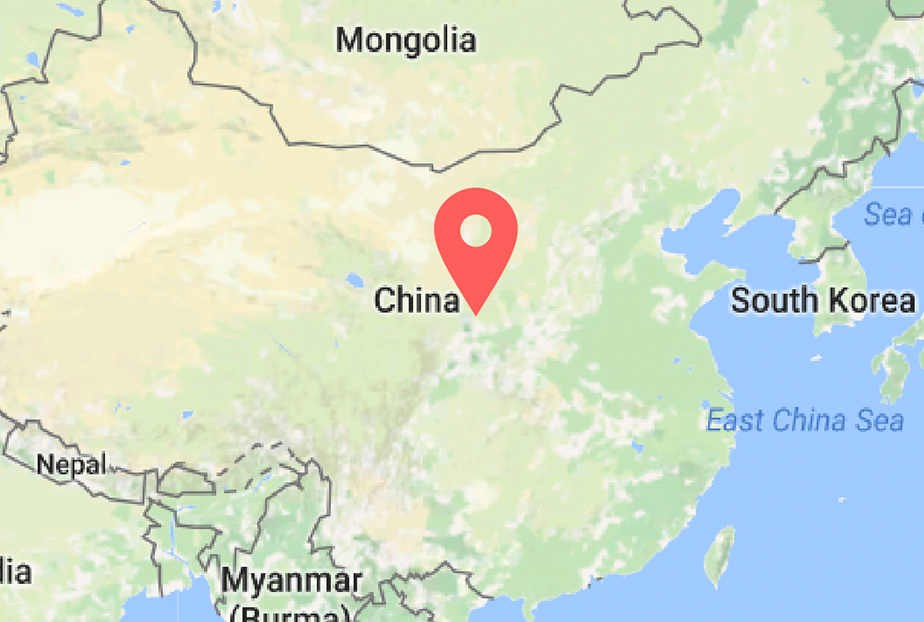
China Lintong County, Shaanxi Province N34 22 60 E109 5 60.